
Owning a property offers stability, comfort, and long-term financial benefits. However, even well-maintained homes can harbor concealed problems that quietly develop over time. From structural weaknesses to aging systems, these hidden concerns often remain unnoticed until they evolve into costly repairs. Recognizing early warning signs allows homeowners to act quickly, preserving both safety and value.
Proactive property management is essential for maintaining a secure and efficient living environment. By understanding where issues typically arise and how to address them, homeowners can prevent minor concerns from escalating into major disruptions. This comprehensive guide explores practical strategies for identifying hidden property issues and resolving them before they become overwhelming.
Recognizing the Importance of Early Property Evaluations
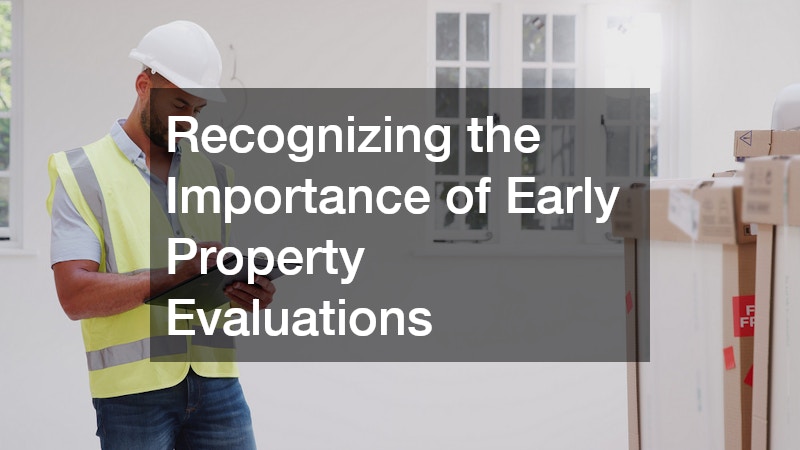
Identifying hidden problems begins with consistent and thorough assessments. Many issues remain invisible during daily routines, making professional evaluations and routine inspections vital for long-term property health. Early detection saves money, reduces stress, and protects structural integrity.
Experienced home inspectors play a critical role in uncovering concealed concerns such as insulation deficiencies, roofing damage, and plumbing leaks. Their detailed evaluations provide homeowners with a clear understanding of potential risks. In addition, collaborating with a skilled general contractor ensures that inspection findings are addressed efficiently and effectively.
Key Benefits of Early Evaluations
- Prevent unexpected and costly repairs
- Enhance occupant safety and comfort
- Preserve structural integrity
- Improve energy efficiency
- Maintain and increase property value
- Provide clarity for future renovations or sales
Routine evaluations empower homeowners to make informed decisions, ensuring their property remains safe, functional, and valuable.
Detecting Hidden Structural Concerns
Structural issues often begin subtly but can worsen significantly if ignored. Recognizing early indicators helps prevent extensive damage and costly restoration. Small cracks or uneven surfaces may seem insignificant, but can signal deeper problems.
Common warning signs include sagging floors, gaps between walls and ceilings, and doors that stick or fail to close properly. These symptoms often indicate foundation movement or soil instability.
Seeking assistance from professionals specializing in local foundation repair ensures accurate diagnosis and timely solutions. When structural imbalance becomes more pronounced, a reputable house leveling company can restore alignment and stability.
Warning Signs to Watch For
- Stair-step cracks in brickwork
- Uneven or sloping floors
- Doors and windows that stick
- Gaps around window frames
- Cracks in ceilings or drywall
- Bowing or leaning walls
Addressing these issues early safeguards the property’s integrity and prevents further deterioration.
Identifying Electrical System Deficiencies
Electrical systems are essential to modern living, but can pose serious risks when outdated or damaged. Hidden electrical problems may lead to fire hazards, equipment failure, and energy inefficiency if left unresolved.
A qualified local electrical contractor can inspect wiring, outlets, and circuit panels to detect potential hazards. Additionally, modern upgrades such as keyless entry door lock installation improve security and convenience while aligning with updated electrical standards.
Common Indicators of Electrical Problems
- Flickering or dimming lights
- Frequently tripped breakers
- Burning odors near outlets
- Discolored or warm switch plates
- Buzzing sounds from electrical panels
- Outdated wiring systems
Timely inspections and upgrades help maintain safety, enhance functionality, and support modern living standards.
Uncovering Plumbing and Water Damage Issues
Water damage often develops unnoticed, quietly compromising structural materials and indoor air quality. Even minor leaks can result in mold growth, wood rot, and weakened foundations if not addressed promptly.
Homeowners should regularly inspect moisture-prone areas such as kitchens, bathrooms, basements, and laundry rooms. Detecting issues early reduces repair costs and prevents long-term damage.
Signs of Hidden Water Problems
- Musty odors or damp air
- Water stains on ceilings or walls
- Peeling paint or bubbling drywall
- Warped flooring or cabinetry
- Mold or mildew growth
- Sudden increases in water bills
Routine plumbing maintenance and prompt repairs protect both the property’s structure and the health of its occupants.
Evaluating Roofing and Exterior Integrity
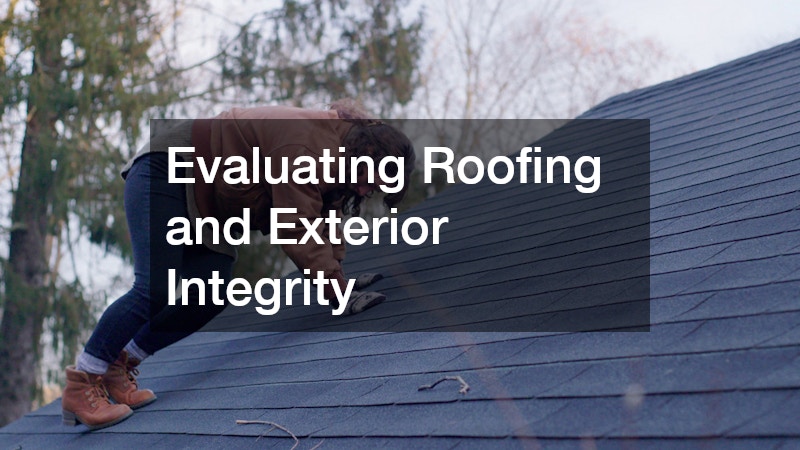
The exterior of a property serves as its first line of defense against environmental elements. Hidden damage to roofing, siding, or gutters can lead to water intrusion, energy loss, and structural deterioration.
Regular inspections ensure that minor concerns are identified and addressed before they escalate into major issues.
Exterior Issues to Monitor
- Missing or curling shingles
- Damaged flashing around chimneys and vents
- Cracks in siding or brickwork
- Clogged or sagging gutters
- Peeling exterior paint
- Poor drainage near the foundation
Maintaining the exterior preserves curb appeal while safeguarding the property’s interior.
Addressing Landscape and Drainage Challenges
Landscaping plays a crucial role in protecting property health. Poor drainage and improper grading can lead to soil erosion, water infiltration, and structural instability. Thoughtful outdoor maintenance helps prevent costly damage.
Partnering with a lawn care supply company provides access to the tools and materials necessary for maintaining healthy landscapes. Additionally, installing durable barriers such as wood fencing enhances privacy and protects outdoor spaces.
Landscaping Issues That Require Attention
- Standing water near the foundation
- Soil erosion after heavy rainfall
- Overgrown vegetation is damaging structures
- Improper grading directs water toward the home
- Deteriorating landscape features
Well-maintained landscapes support structural stability and improve overall property value.
Inspecting Outdoor Structures and Property Boundaries
Outdoor features such as fences, gates, and patios contribute to both security and curb appeal. However, they are constantly exposed to environmental wear and tear, making regular inspections essential.
Working with a local fence contractor ensures installations remain durable, functional, and compliant with local regulations.
Signs of Fence Damage
- Leaning or unstable posts
- Rotting or cracked panels
- Rusted fasteners or hardware
- Loose hinges and gates
- Weather-related deterioration
Maintaining outdoor structures protects property boundaries while enhancing visual appeal.
Monitoring Mechanical Systems and Amenities
Specialized amenities require consistent care to function efficiently and safely. Neglecting these systems can result in costly repairs and reduced enjoyment.
For properties with swimming pools, routine maintenance by professional pool repair services helps detect leaks, equipment malfunctions, and structural concerns before they escalate.
Indicators of Equipment Issues
- Cloudy or discolored water
- Unusual fluctuations in water levels
- Cracks in pool surfaces
- Malfunctioning pumps or filters
- Damaged tiles or liners
Regular servicing ensures these amenities remain safe, efficient, and enjoyable.
Understanding Pest Infestations and Hidden Damage
Pests can cause extensive destruction before their presence becomes visible. Termites, rodents, and insects often infiltrate hidden areas, compromising structural materials and insulation.
Signs of Pest Activity
- Hollow-sounding wood
- Mud tubes along foundations
- Droppings or nesting materials
- Chewed wires or insulation
- Scratching sounds within the walls
- Discarded wings near windows or doors
Early intervention by pest control professionals prevents widespread damage and preserves property integrity.
Leveraging Preventive Maintenance Strategies
Preventive maintenance remains the most effective way to identify and address hidden issues. Establishing a consistent schedule ensures that problems are detected early and resolved efficiently.
Recommended Maintenance Checklist
Monthly Tasks
- Inspect plumbing fixtures for leaks
- Test smoke and carbon monoxide detectors
- Monitor utility bills for unusual changes
- Check electrical outlets and switches
Seasonal Tasks
- Clean gutters and downspouts
- Inspect roofing and siding
- Service heating and cooling systems
- Evaluate drainage and grading
Annual Tasks
- Schedule professional inspections
- Seal cracks and gaps in exterior surfaces
- Review insulation and ventilation
- Assess structural components
A proactive approach reduces long-term costs and promotes peace of mind.
Reviewing Attics and Basements for Hidden Concerns
Attics and basements often conceal some of the most significant property issues. Because these spaces are visited infrequently, problems can develop unnoticed for extended periods. Regular inspections help detect early warning signs before they escalate into costly repairs.
The attic plays a critical role in temperature regulation and roof protection. Poor insulation or ventilation can lead to energy inefficiency and moisture buildup. Basements, on the other hand, are vulnerable to water intrusion, structural stress, and pest infestations.
In addition to the potential issues mentioned, both attics and basements can harbor health hazards, such as mold and mildew, which thrive in damp or poorly ventilated environments. Mold not only poses health risks to occupants but can also compromise the structural integrity of the building. It’s also essential to check for proper drainage in basements and ensure that gutters and downspouts are directing water away from the foundation. By maintaining these areas and promptly addressing any issues, homeowners can enhance the overall safety, comfort, and longevity of their property.
Warning Signs in the Attic
- Uneven or insufficient insulation
- Water stains on rafters or ceilings
- Mold or mildew odors
- Visible daylight through the roof boards
- Pest droppings or nesting materials
Issues Commonly Found in Basements
- Damp or musty odors
- Efflorescence on foundation walls
- Cracks in concrete floors
- Rust on appliances
- Standing water or signs of flooding
Preventive Measures to Consider
- Install vapor barriers to control humidity
- Seal cracks to prevent water intrusion
- Improve ventilation systems
- Replace damaged insulation promptly
- Schedule periodic professional inspections
Monitoring these spaces protects the entire structure and enhances energy efficiency.
Understanding the Impact of Environmental Factors on Property Health
Environmental conditions significantly influence the durability and performance of any property. Climate, soil composition, and seasonal weather patterns can gradually weaken structures and systems if preventive measures are not taken.
Awareness of environmental risks enables homeowners to prepare effectively and reduce long-term damage.
Additionally, the surrounding ecosystem plays a crucial role in property health. For instance, proximity to bodies of water can lead to moisture-related issues, while areas with high tree density may face risks from falling branches or root encroachment. Regular maintenance and inspections can help identify these potential hazards early on. Utilizing materials and designs that are resilient to local environmental challenges can also enhance the longevity of a property, creating a safer and more sustainable living environment. Homeowners who stay informed and proactive in addressing these factors can greatly improve the overall integrity and value of their property.
Environmental Factors That Affect Properties
- Temperature fluctuations cause expansion and contraction
- Heavy rainfall leads to erosion and flooding
- Snow and ice are stressing roofs and gutters
- High humidity promotes mold growth
- Strong winds are damaging siding and windows
Seasonal Maintenance Tips
Spring
- Inspect roofs and gutters for winter damage
- Check drainage systems
- Look for cracks caused by freeze-thaw cycles
Summer
- Monitor cooling systems for efficiency
- Inspect siding and exterior paint
- Trim trees and shrubs
Fall
- Clean gutters and downspouts
- Seal windows and doors
- Prepare heating systems
Winter
- Protect exposed pipes from freezing
- Remove snow buildup from roofs
- Check for drafts and ice dams
Long-Term Preventive Strategies
- Use weather-resistant materials
- Improve insulation and ventilation
- Install proper drainage systems
- Maintain landscaping to reduce erosion
- Schedule annual professional evaluations
By addressing environmental influences, homeowners can enhance resilience and extend the lifespan of their property.
The Financial Benefits of Early Intervention
Addressing hidden property issues promptly offers significant financial advantages. Preventive action reduces the likelihood of emergency repairs and protects long-term investments.
Cost-Saving Advantages
- Prevents major structural damage
- Reduces utility expenses through improved efficiency
- Minimizes insurance claims
- Extends the lifespan of critical systems
- Enhances resale potential
- Increases buyer confidence
Early intervention allows homeowners to manage expenses strategically while preserving property value.
Creating a Reliable Team of Property Professionals

Managing a property effectively requires collaboration with experienced professionals. Building a trusted network ensures timely maintenance, accurate assessments, and quality repairs.
Essential Experts to Consult
- Structural engineers
- Licensed electricians and plumbers
- Roofing specialists
- Landscaping professionals
- Pest control technicians
- Property inspectors
A dependable team provides guidance and support, helping homeowners address challenges with confidence.
Utilizing Modern Technology for Property Monitoring
Technological advancements have simplified the process of identifying hidden property issues. Smart devices provide real-time insights, enabling homeowners to detect problems early and respond quickly.
Smart Solutions for Early Detection
- Leak detection sensors
- Smart thermostats
- Moisture monitoring systems
- Security cameras and alarms
- Energy usage trackers
- Automated lighting systems
Integrating technology into property management improves efficiency, enhances safety, and reduces the risk of unexpected repairs.
Preparing for Property Inspections and Repairs

Preparation ensures smooth inspections and effective repairs. Organized records and proper documentation allow professionals to diagnose issues accurately and efficiently.
Tips for Effective Preparation
- Maintain records of repairs and upgrades
- Store warranties and service agreements
- Document inspection reports
- Photograph areas of concern
- Establish a maintenance budget
- Schedule routine evaluations
Staying organized empowers homeowners to address issues proactively and maintain control over property expenses.
In conclusion, hidden property issues can compromise safety, comfort, and financial stability if left unaddressed. Early identification and timely intervention empower homeowners to protect their investments and avoid unnecessary stress. Through consistent inspections, preventive maintenance, and collaboration with qualified professionals, potential problems can be resolved before they escalate.
A proactive approach to property care preserves structural integrity, enhances efficiency, and promotes long-term peace of mind. By remaining attentive and informed, homeowners can enjoy a secure, well-maintained, and valuable property for years to come.