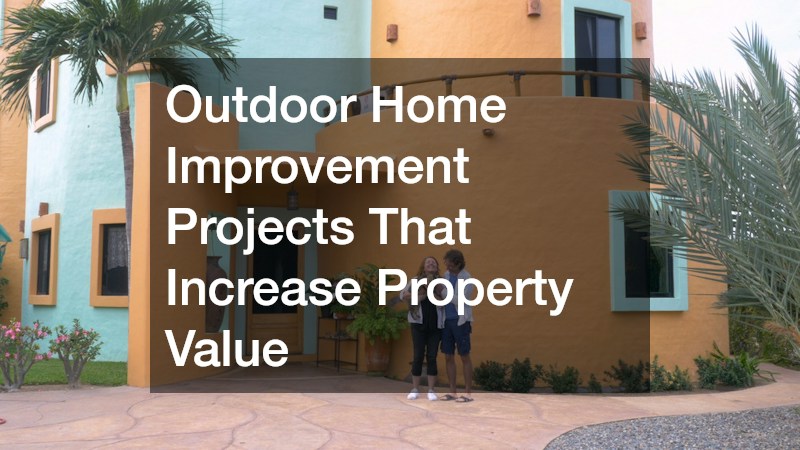
When it comes to real estate, the exterior of your home is much more than just a passing first impression; it is a profound indicator of the property’s overall condition, value, and structural integrity. Potential buyers and professional appraisers alike place immense weight on the outdoor presentation of a property. A well-maintained and thoughtfully upgraded exterior communicates that the home has been meticulously cared for, significantly elevating buyer demand and establishing a strong foundation for a higher appraisal value. In today’s highly competitive real estate market, creating functional, beautiful outdoor spaces is no longer considered a luxury, but rather a core component of a profitable home improvement strategy.
However, homeowners must understand the crucial difference between simple cosmetic fixes and structural, equity-building exterior projects. Hanging some string lights or adding a few potted flowers might make a patio look charming for an afternoon, but these temporary additions do virtually nothing to increase the actual market value of your home. To see a genuine return on investment, you must focus on permanent improvements that enhance the functionality, safety, and aesthetic longevity of the property. Upgrading a crumbling driveway, establishing proper property boundaries, or adding permanent outdoor living structures are the types of projects that buyers are willing to pay a premium for.
Tackling a complete exterior overhaul can feel overwhelming, but it becomes entirely manageable when approached with a systematic strategy. By breaking the process down into logical steps, you can avoid common pitfalls such as damaging newly laid sod with heavy construction equipment or installing beautiful garden beds before addressing underground drainage issues. A methodical approach to modernizing your property grounds—starting with foundational preparation and moving progressively toward long-term maintenance—ensures that every dollar you spend contributes directly to your home’s lasting value.
Prep the Canvas: Hazard Removal and Groundwork
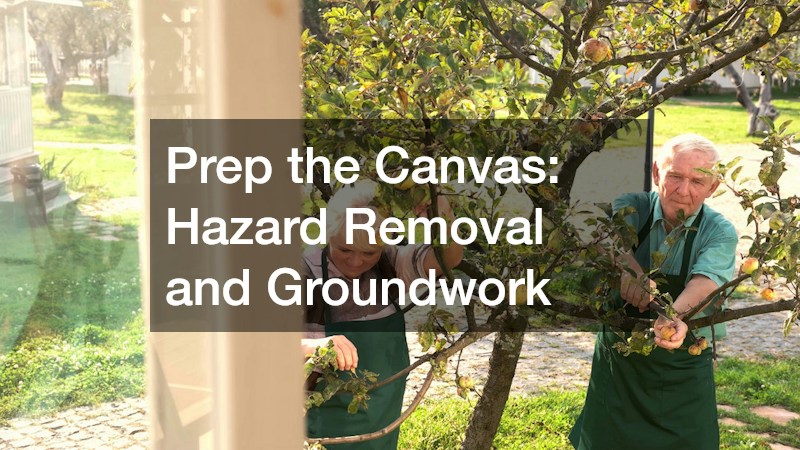
Before you can begin building beautiful new additions to your backyard, you must first address the foundational safety and stability of the lot. Failing to assess the condition of the mature timber on your property can lead to catastrophic damage to both your home and your new outdoor upgrades. Homeowners should conduct a thorough inspection of all large trees, looking closely for signs of rot, internal hollows, dead branches, or heavy leaning. Additionally, it is critical to evaluate where the root systems are traveling. Invasive roots can aggressively penetrate home foundations, disrupt underground plumbing, and crack expensive hardscaping before you even realize there is a problem.
When you identify a compromised tree, swift and decisive action is required to protect your property value. You might be tempted to handle this task yourself to save money, but hiring a licensed tree removal service is the only way to safely extract compromised timber before undertaking major structural renovations. Professionals possess the specialized rigging equipment, liability insurance, and technical expertise required to dismantle massive, dangerous trees piece by piece without dropping heavy limbs onto your roof or neighboring properties. Removing these hazards clears the way for a safe, unimpeded renovation process.
Once the towering hazards are out of the way, your attention must turn to the surface and subsurface of your property. Preparing raw ground for the installation of flatwork, patios, or pristine turf requires a completely clear and properly graded canvas. Unfortunately, chopping down a tree leaves behind a massive, stubborn network of wood anchored deep into the soil. If left to rot on its own, this decaying wood will inevitably attract termites, carpenter ants, and other subterranean pest infestations that will quickly migrate toward your home’s foundation.
Furthermore, you cannot pour a level concrete slab, build a secure retaining wall, or grade soil for proper drainage if there are massive wooden obstacles buried just inches below the surface. Investing in professional stump grinding is the most efficient and effective way to eliminate these underground obstructions. This process aggressively churns the remaining wood and root flares into mulch, reaching well below the topsoil level. Doing so prevents unwanted pest colonization, eliminates tripping hazards, and leaves you with a perfectly level, buildable canvas ready for the next phase of your property transformation.
Secure Your Boundaries and Build Solid Hardscaping
With the property safely cleared and properly graded, the next step in building value is defining the space. A clear, secure perimeter is highly attractive to potential buyers, particularly those with children or pets who view a safe, enclosed backyard as a non-negotiable feature. When planning your boundary materials, it is important to evaluate neighborhood aesthetics so that your property stands out for its quality without clashing with the surrounding homes. Whether you prefer the warm, natural look of horizontal cedar timber or the ultra-low-maintenance appeal of modern vinyl, the materials you choose should reflect a cohesive architectural style.
Establishing these explicit property lines does more than just boost aesthetics; it prevents future land disputes and provides a distinct sense of privacy and ownership. Selecting clean, modern fencing layouts that enclose rear play areas and shield outdoor entertainment zones from the street will instantly elevate the perceived and actual value of your home. A well-built perimeter acts as a beautiful frame around the picture of your property, telling buyers that the home is secure, private, and entirely move-in ready.
The driveway and primary walkways are the very first physical touchpoints a visitor experiences when approaching your home. If your access routes are marred by cracked asphalt, uneven, heaving stones, or poorly drained surfaces that collect massive puddles after a rainstorm, it immediately drags down your home’s curb appeal. Buyers subconsciously subtract the cost of replacing a ruined driveway from their potential offer before they even walk through the front door. Upgrading these surfaces is a surefire way to boost entrance aesthetics and demonstrate that the property has been impeccably maintained.
Addressing these issues with highly durable, visually appealing materials is a long-term investment in your property’s equity. Partnering with a specialized concrete service to install stamped, brushed, or stained flatwork is an excellent way to achieve this. These modern applications resist cracking, handle heavy vehicular traffic with ease, and can be customized to mimic the look of expensive natural stone or brick at a fraction of the cost. A freshly poured, beautifully finished driveway and walkway system instantly communicates structural soundness and high-end appeal to anyone approaching your home.
Design Your Green Spaces and Garden Layouts
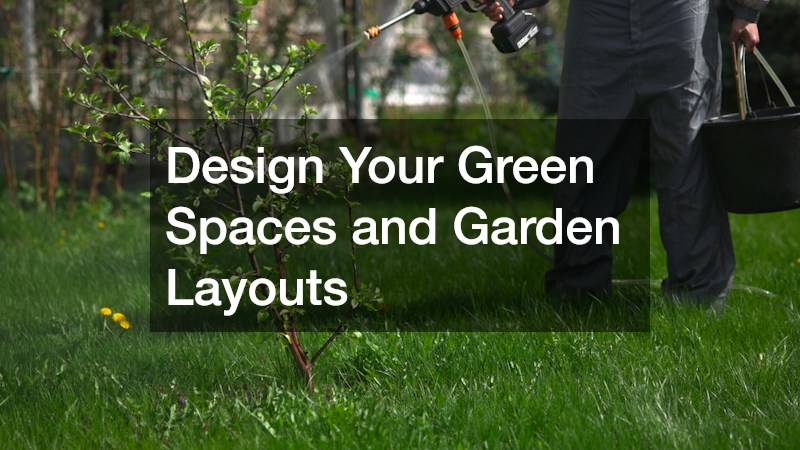
Once the heavy hardscaping and perimeters are set, the focus shifts to softening the environment through strategic horticulture. However, dropping plants randomly into the soil is a recipe for a cluttered, overgrown, and disjointed yard. Proper preparation involves mapping out multi-seasonal layouts for year-round visual impact. You must carefully plan focal points, analyze daily shade patterns, and account for water drainage paths before buying a single plant. Failing to understand the mature size of a species often leads to overcrowded beds, poor growth, and obscured windows.
A truly valuable yard looks just as intentional in the starkness of winter as it does in the full bloom of spring. Working with an expert in comprehensive landscape design ensures that you balance scale, color progression, and functional pathways perfectly. These professionals can draft a blueprint that strategically positions evergreens for winter color, blooming perennials for summer vibrance, and deciduous trees for spectacular autumn foliage. This level of master planning transforms an ordinary yard into a cohesive, breathing ecosystem that dramatically enhances your property’s overall marketability.
The modern homebuyer wants a beautiful yard, but very few want to spend their entire weekend weeding, watering, and pruning. High-maintenance gardens can actually deter potential buyers who view them as a costly, time-consuming burden. To maximize property value, your horticultural strategy must revolve around sustainability and ease of care. Choosing native perennials, drought-tolerant groundcovers, and executing strategic shrub placement will drastically reduce irrigation needs and appeal heavily to low-maintenance buyers.
Plants that naturally thrive in your specific climate zone require significantly less chemical fertilizer, less supplemental watering, and are highly resistant to local pests and diseases. By choosing to incorporate layered plantings along foundation walls and garden borders, you can successfully soften the harsh, straight edges of your home’s architecture while creating beautiful visual depth. This layered approach—utilizing ground covers in the front, medium-sized perennials in the middle, and taller shrubs in the back—creates a lush, established look that practically takes care of itself throughout the changing seasons.
Build Comfortable Spaces for Outdoor Entertainment
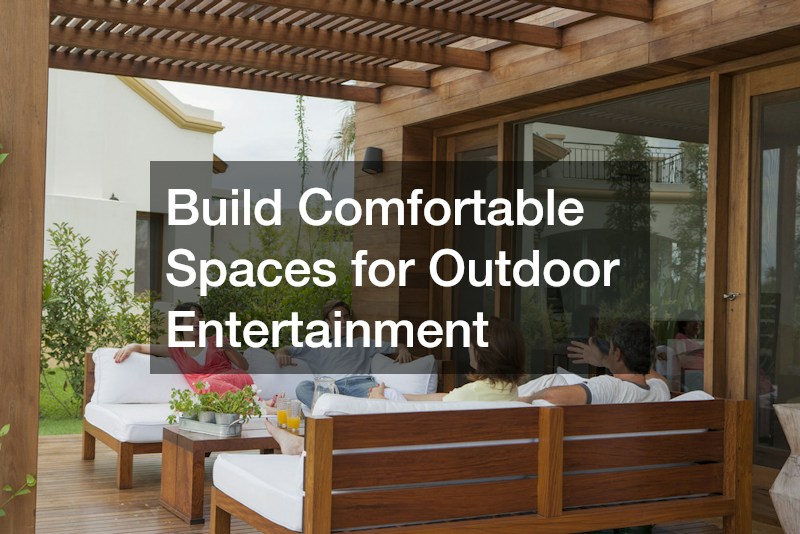
In the modern real estate market, the backyard is no longer just a place to grow grass; it is heavily scrutinized as secondary living and entertaining space. Homeowners can capture immense ROI by treating their exterior spaces as a direct extension of their interior square footage. Designing a seamless, highly functional transition from your back doors to your outdoor dining areas bridges the gap between the inside and the outside, making the entire property feel larger and more accommodating.
Creating this seamless flow often requires structural additions that define the outdoor rooms. Getting bids from vetted deck companies to build durable composite or hardwood platforms engineered for heavy load capacities is one of the smartest investments a homeowner can make. Whether you opt for a sleek, single-level space for a grill and a dining table, or a sprawling, multi-level platform featuring distinct zones for lounging and dining, the key is durability and craftsmanship. High-quality materials like modern composite decking resist rot, warping, and splintering, offering future buyers a luxurious, maintenance-free entertainment space that will last for decades.
While a beautifully constructed outdoor platform provides the foundation for entertainment, that space is essentially useless if it is baking under the blistering midday sun. To truly maximize the usability—and therefore the value—of your outdoor living areas, you must account for climate control. Providing adequate solar protection over southwest-facing patios is absolutely essential to make outdoor dining and lounging comfortable during the peak heat of summer.
Beyond just physical comfort for your guests, overhead shade structures also serve an important energy-saving function for the home itself. Installing motorized or manual awnings that shield seating areas from rain and harsh sunlight will also significantly reduce interior cooling loads by keeping the sun from pounding against adjacent glass doors and windows. This dual benefit of creating an all-weather outdoor entertainment zone while simultaneously lowering summer air conditioning bills is a highly attractive selling point that sophisticated buyers will eagerly recognize and appreciate.
Add Stone Customizations and Maintain Existing Canopy
To elevate your outdoor living space from standard to truly exceptional, the integration of custom masonry is an absolute must. Natural stone provides an undeniable sense of permanence, luxury, and timelessness that composite materials and standard wood simply cannot match. Adding timeless structural elements like terraced retaining walls to manage sloped land, sprawling flagstone walkways that connect different zones of the yard, or built-in, wood-burning fire pits creates distinct, highly desirable features that buyers actively seek out.
The success of these projects hinges on the quality and cohesion of the materials used. Buying directly from a local stone supply yard allows you to hand-select your materials to perfectly match the stone types, grain patterns, and mortar colors with your home’s existing architectural accent points. Whether you are matching the brick on your home’s facade or pulling tones from your roof shingles, utilizing high-quality, locally sourced masonry ensures that your new outdoor features look as though they have always been a natural, integrated part of the original estate.
After investing heavily in hazard removal, hardscaping, softscaping, and custom masonry, the final and ongoing step is protecting that investment. The mature trees that remain on your property are highly valuable assets that provide shade, beauty, and ecological benefits, but they require consistent professional care to remain safe and vibrant. Neglecting large trees can lead to overgrowth that blocks sunlight from reaching your newly planted garden beds and turf, causing your landscaping investments to wither and die.
Protecting your investment in mature trees involves regular thinning of the canopy, structural pruning to encourage strong growth patterns, and the immediate removal of deadwood. Contracting established tree services annually to maintain the health of your canopy is a crucial maintenance task. This proactive care optimizes sunlight reach for the flora below and crucially protects your roofing, windows, and new outdoor living structures from being crushed by falling limbs during severe storms. Consistent maintenance proves to future buyers that the property is structurally sound from the soil all the way up to the highest branches.
Bringing Your Master Plan to Life
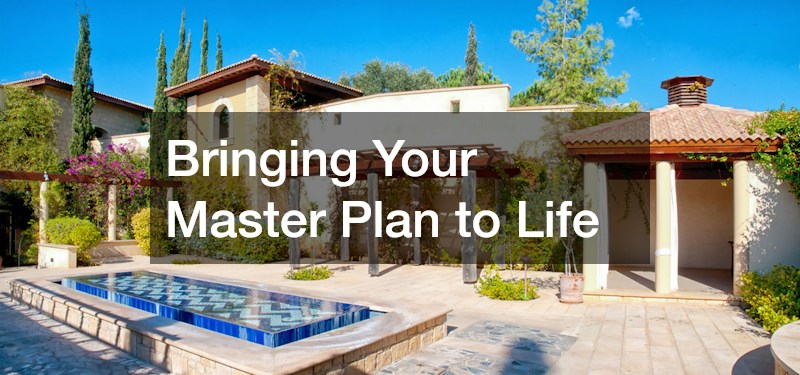
Transforming your exterior property into a highly profitable, functional oasis is a journey that requires patience, investment, and strategic planning. By prioritizing high-ROI projects that balance vital foundation work, functional outdoor living additions, and routine preservation, you are not just making your home prettier—you are actively building generational equity. Cosmetic fixes may sell a house quickly, but structural, thoughtful exterior improvements ensure that it sells for top dollar.
The most critical takeaway for any homeowner embarking on this journey is to sequence these projects logically. The order of operations matters immensely; executing land clearing and groundwork before pouring hardscape, and finishing heavy construction before delicate softscaping, is the only way to avoid damaging finished work and doubling your expenses. Taking the time to do things in the right order saves money, reduces stress, and guarantees a more polished final product.
Ultimately, your success depends on bringing the right experts into your vision at the right time. Start by gathering multiple professional estimates, reviewing local zoning laws, and developing a comprehensive master plan that is uniquely suited to local real estate market trends. By investing wisely in your property’s exterior, you will create a stunning, highly functional living space that you can deeply enjoy today, while securing a massive financial return for tomorrow.