
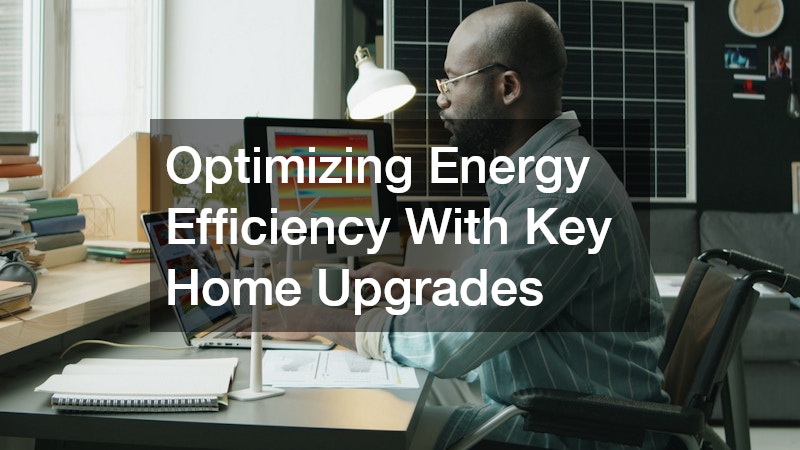
High utility bills and persistent comfort issues—such as drafty rooms, uneven temperatures between floors, and humid indoor air—are rarely caused by a single failing component. Instead, they are usually the result of multiple small energy leaks across your entire home. When conditioned air escapes through leaky ducts, heat slips out through uninsulated exterior doors, and aging mechanical equipment runs constantly just to keep up, your home operates at a massive energy deficit.
Achieving true home energy efficiency requires a systemic approach rather than looking at components in isolation. Your home’s thermal envelope, heating and cooling mechanics, plumbing networks, and power distribution systems all interact to dictate how much energy your household consumes every day. By making targeted, high-return upgrades across these core areas, you can dramatically lower your monthly energy overhead, reduce wear and tear on essential equipment, and create a noticeably more comfortable living environment year-round.
Optimizing Climate Control Efficiency with Targeted System Care
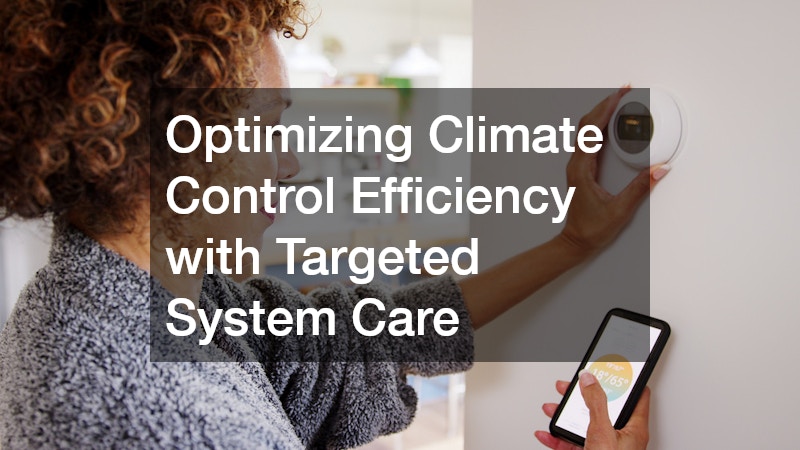
Heating and cooling account for over half of the average American home’s energy consumption, making climate control systems the primary target for any serious efficiency overhaul. Modern high-efficiency heat pumps and furnaces carry impressive SEER2 (Seasonal Energy Efficiency Ratio 2) and AFUE (Annual Fuel Utilization Efficiency) ratings, but hardware capability is only half the battle. If the infrastructure delivering that conditioned air is compromised, even the highest-rated system will perform far below its potential.
A major contributor to wasted energy in residential heating and cooling is duct loss. In homes with forced-air systems, a significant percentage of the air moving through the ductwork escapes into unconditioned spaces like attics, basements, or crawlspaces due to unsealed joints, loose connections, or deteriorating materials. When conditioned air leaks out before reaching your living areas, your system must run significantly longer to achieve the temperature set on your thermostat.
To maximize the efficiency of your heating and cooling setup, focus on these essential system care strategies:
- Schedule precision air duct repair to identify and seal hidden leaks, loose joints, and disconnected branches throughout your duct network using specialized mastic sealant or foil-backed tape.
- Insulate all accessible ductwork located in unconditioned spaces like attics and crawlspaces to maintain the temperature of supply air as it travels to your living zones.
- Partner with a trusted HVAC company to perform bi-annual system tune-ups, ensuring coils are clean, refrigerant levels are exact, and electrical connections are running at optimal performance before peak summer and winter seasons.
- Replace standard air filters every one to three months; clogged filters restrict airflow, forcing blower motors to draw significantly more electricity to circulate air.
- Install smart, programmable thermostats that automatically adjust temperature setpoints based on your daily schedule and occupancy patterns, preventing unnecessary heating and cooling when no one is home.
- Clean registers and ensure furniture or drapes are not blocking air supply vents to maintain balanced pressure and optimal airflow circulation throughout every room.
Addressing duct loss and keeping mechanical components fine-tuned reduces the mechanical stress on your blower motor and compressor. This operational relief lowers your monthly electricity and gas usage while helping prevent premature equipment failure during extreme weather spikes.
Reducing Electrical and Fuel Draw in Home Hydronic and Water Systems
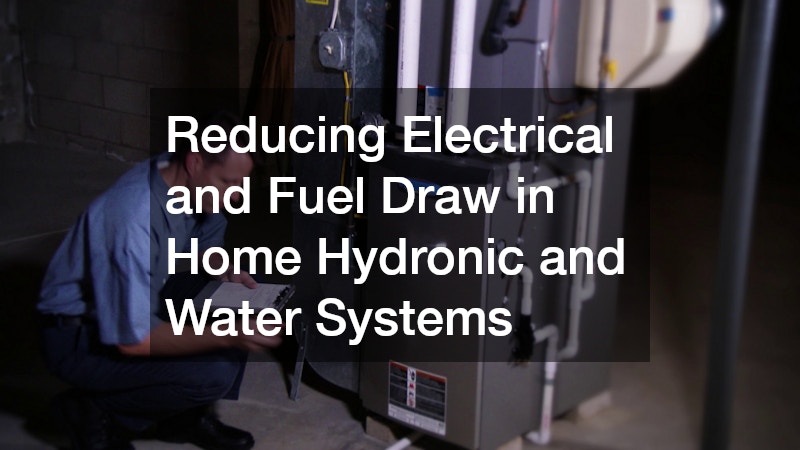
Water heating represents the second-largest energy expense in most homes, typically accounting for 18% of utility costs. Standard storage-tank water heaters continuously burn fuel or consume electricity to keep 40 to 50 gallons of water hot 24 hours a day, regardless of whether anyone is using it. Overcoming this standby loss, along with optimizing how water travels through your piping, offers immediate opportunity for utility reduction.
Upgrading to modern water heating technologies can yield substantial energy savings. Tankless water heaters heat water on demand using high-output burners or heating elements, completely eliminating standby thermal loss. Alternatively, hybrid heat pump water heaters pull heat from the surrounding air to warm the water inside the tank, operating up to three times more efficiently than standard electric resistance units. Regardless of the heat source, insulating hot water pipes throughout your basement or crawlspace ensures that water arrives at fixtures hotter and faster, reducing both fuel usage and water waste.
Implement these actionable steps to optimize your plumbing efficiency:
- Wrap exposed hot water pipes in foam pipe insulation to prevent heat loss between the water heater and distant fixtures, allowing you to lower the baseline thermostat setting on your water tank.
- Lower your water heater’s baseline temperature to 120°F (49°C), which cuts thermal loss, prevents accidental scalding, and reduces standby energy costs without sacrificing comfort.
- Book professional plumbing services to inspect your water lines, evaluate pressure-reducing valves, and assist in transitioning older tank-style units to high-efficiency tankless or hybrid heat pump models.
- Install low-flow aerators on sinks and low-flow showerheads to cut total hot water usage by 25% to 50% without compromising water pressure.
- Schedule periodic drain cleaning to remove accumulated mineral buildup, heavy grease, and organic debris from main wastewater lines, ensuring clear, unrestricted flow and preventing system backups that strain attached disposal appliances.
- Drain and flush sediment from storage water heater tanks annually to keep heating elements or burner plates transferring thermal energy directly into the water without fighting built-up scale.
When water lines and drainage pathways operate cleanly without internal friction or structural heat loss, the energy required to deliver hot water drops dramatically. This reduces demand on gas burners and heating elements while lowering municipal water bills.
Eliminating Phantom Loads with Modern Power Infrastructure
As modern homes incorporate electric vehicles, induction cooktops, heat pump dryers, and smart home ecosystems, the demands placed on residential electrical infrastructure have increased dramatically. Outdated electrical panels and old wiring struggle to route power efficiently, leading to internal line resistance, voltage drops, and elevated risk of electrical fires. Furthermore, standby power draw—often called phantom load—quietly consumes electricity even when device displays appear dark.
Upgrading power distribution panels ensures your home can deliver electricity smoothly without dangerous overload or energy dissipation. Modern panels provide the dedicated high-voltage capacity necessary to run high-efficiency electronic equipment safely. Pair hardware upgrades with smart energy monitoring devices installed at the main breaker; these devices track energy draw in real time, pinpointing specific appliances or circuits that draw excessive power so you can take corrective action.
Consider these high-impact electrical upgrades to streamline home energy usage:
- Schedule a complete electrical inspection with a licensed local electrician to identify aging wiring, overloaded circuits, or outdated electrical panels that waste energy through excess heat generation.
- Hire comprehensive electrical services to install dedicated 240-volt circuits for modern, energy-saving appliances like heat pump water heaters, induction ranges, and high-efficiency electric vehicle chargers.
- Install smart power strips and automated outlets in media centers and home offices to cut off power completely to peripheral devices when they enter standby mode.
- Transition 100% of remaining incandescent or compact fluorescent light bulbs to high-efficiency LED units, which consume up to 85% less energy and generate significantly less waste heat.
- Integrate whole-home energy monitoring hardware directly into your breaker box to record live consumption data, allowing you to balance power usage around off-peak utility hours.
- Mount motion sensors or daylight sensors on outdoor security lighting so fixtures operate only when needed rather than drawing continuous power overnight.
By modernizing your power distribution setup and eliminating unnecessary phantom loads, you ensure that every kilowatt-hour you pay for goes directly toward powering your home efficiently rather than dissolving as wasted heat inside your walls.
Upgrading Roof Systems to Reflect Heat and Prevent Attic Buildup
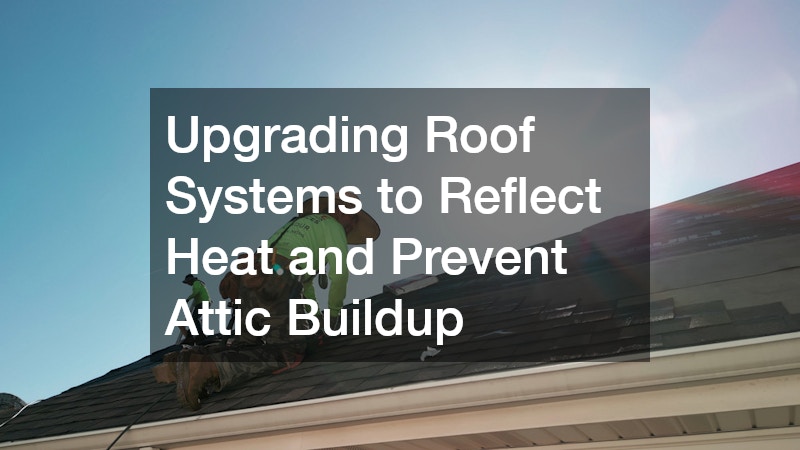
The roof is your home’s primary shield against natural elements, absorbing direct solar radiation throughout the day. In warm weather, standard dark asphalt shingles can reach temperatures exceeding 150°F. This thermal load transfers directly into the attic structure, warming the air inside and forcing the living space below to absorb the heat. If an attic lacks adequate insulation or ventilation, air conditioning units must work overtime to counteract this top-down warming.
Addressing thermal gain at the roof level involves a two-pronged strategy: reflecting solar energy off the surface and venting away any heat that enters the attic space. Cool-roofing materials use specially formulated granules or metallic reflective surfaces to bounce back solar radiation rather than absorbing it. Beneath the roof deck, balancing ridge and soffit vents creates continuous air movement that draws cooler outside air through the soffits and exhausts hot air out the top, keeping attic temperatures closer to ambient conditions.
Follow these proven structural tips to protect your home’s roof envelope:
- Invest in a complete cool- roof replacement featuring high-reflectance architectural shingles or light-colored standing-seam metal roofing to cut upper-structure thermal absorption.
- Work with experienced roofing contractors who understand proper attic ventilation ratios and can install balanced intake and exhaust systems tailored to your roof’s pitch and surface area.
- Install a radiant barrier along the underside of the roof rafters in warm climates to reflect radiant heat away from attic insulation and ductwork.
- Maintain open, unobstructed soffit vents by installing insulation baffles, preventing blown-in insulation from blocking vital air intake points.
- Ensure proper attic insulation depths—aiming for R-38 to R-60 depending on your regional climate zone—to create a thick thermal barrier between the hot attic floor and the ceiling of your living space.
- Seal attic hatch doors and ceiling penetrations around light fixtures with expanding foam and heavy-duty weatherstripping to prevent conditioned air from rising up into the attic space.
Preventing solar heat from building up in your attic space removes a continuous thermal load from your cooling systems. This keeps the upper floors of your home comfortably cool during the hottest days of summer while cutting cooling costs.
Eliminating Drafts Through High-Traffic Exterior Openings

Even a heavily insulated home loses significant energy if its exterior entry points are unsealed or poorly constructed. Doors and large access openings act as major thermal bridges where heat transfers easily between the interior and exterior environments. Worn weatherstripping, shifting frames, and thin panel construction allow drafts to pull conditioned air out of the home while drawing unconditioned outdoor air inside.
Replacing outdated exterior doors with engineered fiberglass or steel units featuring polyurethane foam cores provides a superior thermal barrier compared to solid wood or uninsulated metal. Pay special attention to large access points, like attached garages. Garages are unconditioned structures that share walls and ceiling spaces with heated and cooled living quarters. A poorly insulated overhead garage door allows extreme temperatures to penetrate the garage space, dragging down the efficiency of adjacent rooms.
Implement these actionable updates to seal your home’s perimeter openings:
- Schedule a complete exterior door replacement using ENERGY STAR certified fiberglass or insulated steel doors equipped with thermal breaks and low-E glass inserts.
- Upgrade to modern insulated garage doors constructed with high-density polyurethane cores and robust perimeter weather seals to create a protective air buffer against conditioned walls.
- Inspect and replace cracked, compressed, or missing door sweeps and perimeter weatherstripping around all exterior entries annually.
- Apply adjustable thresholds to door bases to ensure a tight, custom seal against seasonal expansion and contraction of floor materials.
- Caulk around exterior door frames and trims using high-grade elastomeric sealant to prevent hidden air leakage through exterior wall framing.
- Fit double-pane or low-E glass storm doors over primary wooden entry doors to create an additional insulated air pocket that cuts convective heat loss.
Tightening these large exterior openings eliminates uncomfortable drafts and stops continuous thermal leakage. This structural improvement stabilizes interior temperatures across all rooms and allows your heating and cooling equipment to run less frequently.
Optimizing your home’s energy efficiency is a continuous, high-reward investment that pays off in reduced utility costs, enhanced living comfort, and improved property value. Rather than viewing home improvements as isolated repairs, taking a whole-house approach ensures that every upgrade complements the next. Sealing ductwork protects your heating investments, modern plumbing and electrical systems optimize resource consumption, and a resilient exterior building envelope prevents unnecessary heat transfer.
By addressing these core areas systematically, you eliminate hidden energy loss and build a more resilient home. Start with a thorough energy assessment to identify your home’s weakest links, prioritize the updates that offer the highest return for your budget, and build a tailored upgrade path toward long-term efficiency.