
Discovering structural damage or moisture-related issues in your home can be overwhelming, especially when multiple systems appear to be affected at once. Homeowners often struggle with knowing where to begin, how to prevent further deterioration, and which repairs truly require immediate attention versus those that can be addressed later. Moisture intrusion, in particular, can silently compromise framing, insulation, finishes, and indoor air quality long before visible damage becomes obvious. Structural concerns, on the other hand, can threaten the long-term safety and stability of the entire home if left unresolved. Taking a calm, methodical approach to prioritizing repairs is essential to protecting both your property and your peace of mind.
The key to managing these challenges effectively is understanding how different systems interact with one another. Water damage rarely affects just one area; it often spreads across walls, floors, ceilings, and mechanical components. Structural issues can also create secondary problems, such as gaps that allow moisture, pests, or air infiltration. When repairs are handled out of sequence, homeowners risk wasting time and resources or unintentionally worsening the original problem. Proper prioritization allows you to stabilize the home first, stop ongoing damage, and then restore functionality and comfort in a logical order.
This guide is designed to help homeowners make informed decisions after identifying structural or moisture concerns. By breaking the process into clear phases and addressing the most critical systems first, you can move forward with confidence rather than confusion. Each section below focuses on a specific repair category and explains its role in a comprehensive recovery plan. With careful planning and a focus on long-term solutions, you can restore your home safely and strategically.
Stabilizing Indoor Comfort and Mechanical Systems
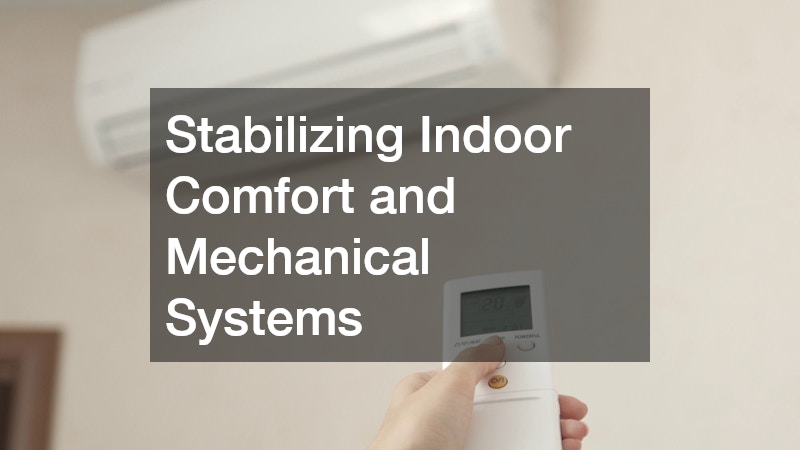
When moisture or structural issues are discovered, homeowners often focus on visible damage while overlooking how compromised systems affect daily living conditions. Heating and cooling equipment plays a critical role in regulating humidity, airflow, and overall indoor comfort. Excess moisture in the home can place additional strain on HVAC components, reducing efficiency and increasing the risk of system failure. Addressing mechanical vulnerabilities early helps prevent further damage to building materials and supports a healthier living environment while larger repairs are underway.
In homes impacted by water intrusion or shifting structures, outdated or stressed systems may struggle to maintain consistent temperatures. Ductwork can become misaligned, condensate drainage may fail, and airflow restrictions can worsen indoor humidity levels. These conditions create an environment where mold, wood rot, and material degradation accelerate. Evaluating whether an ac replacement is necessary allows homeowners to eliminate a potential source of recurring moisture problems while improving energy performance and air quality during the repair process.
Stabilizing climate control early also supports other repair phases. Proper humidity regulation protects new materials once reconstruction begins and reduces delays caused by lingering dampness. When mechanical systems function correctly, contractors can complete structural and interior repairs more efficiently. Prioritizing indoor comfort systems is not just about convenience; it is a strategic step that protects the home from further moisture-related deterioration while setting the stage for long-term recovery.
Addressing Structural Integrity at the Core
Structural stability is the backbone of any home, and moisture damage often exposes weaknesses that were previously hidden. Cracks in walls, uneven floors, or doors that no longer close properly can all indicate deeper issues beneath the surface. When water infiltrates soil around the home or compromises load-bearing elements, it can trigger gradual movement that worsens over time. Addressing these concerns early prevents compounding damage that becomes more complex and disruptive to repair later.
A thorough evaluation of the home’s base is essential once moisture or settling is discovered. Foundation repair services play a critical role in correcting movement, reinforcing weakened areas, and restoring proper load distribution. Without stabilizing the structure first, subsequent repairs such as flooring, drywall, or cabinetry may fail prematurely due to continued shifting. Structural corrections provide a secure platform upon which all other restoration work depends.
Prioritizing foundational stability also protects the home’s long-term value and safety. Small cracks can quickly expand when moisture continues to exert pressure on compromised areas. By resolving these issues early, homeowners reduce the risk of emergency repairs and extensive reconstruction later. Structural repairs may not be the most visible improvement, but they are often the most important step in restoring confidence in the home’s integrity.
Securing the Exterior Envelope From Above
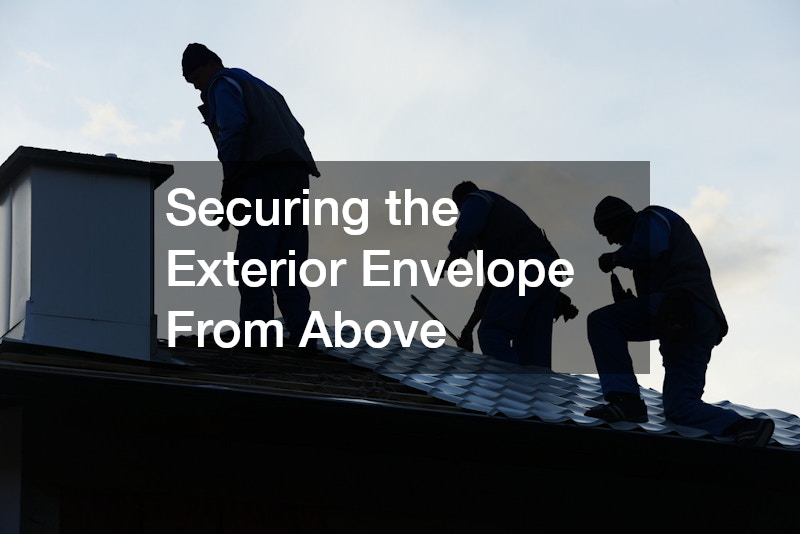
The roof serves as the home’s primary defense against water intrusion, making it a critical priority after discovering moisture damage. Even minor vulnerabilities can allow rainwater to penetrate insulation, framing, and interior finishes. In many cases, moisture problems inside the home can be traced back to roofing issues that went unnoticed for years. Addressing the exterior envelope early helps prevent ongoing damage while interior repairs are planned.
Professional roofing services provide a comprehensive assessment of shingles, flashing, underlayment, and ventilation components. These elements work together to direct water away from the home, and failure in one area often affects the others. Moisture entering through the roof can travel along beams and walls, making the source difficult to identify without a thorough inspection. Securing the roof eliminates a major variable in the repair process and allows interior drying efforts to be more effective.
Prioritizing roof integrity also protects newly repaired interior spaces. Without a watertight exterior, restoration efforts risk being undone by the next storm. Addressing roofing vulnerabilities early ensures that structural and cosmetic repairs remain intact over time. By stabilizing the home from the top down, homeowners can move forward with confidence knowing that one of the most common sources of moisture intrusion has been properly addressed.
Reinforcing Openings and Wall Systems
Windows and exterior wall assemblies play a significant role in controlling moisture, air infiltration, and thermal performance. When structural or water damage occurs, these areas are often compromised due to shifting frames, deteriorated seals, or damaged siding. Even small gaps can allow water to enter wall cavities, leading to hidden damage that spreads unnoticed. Addressing these vulnerabilities is essential to restoring the home’s protective envelope.
Engaging a window replacement siding service allows homeowners to correct alignment issues, improve drainage pathways, and restore proper sealing around openings. Modern materials and installation methods provide better resistance to moisture while enhancing energy efficiency. When windows and siding are properly integrated with flashing systems, they prevent water from migrating into vulnerable wall assemblies and insulation layers.
Reinforcing exterior openings also supports interior repairs by stabilizing temperature and humidity levels. Drafts and leaks can undermine drying efforts and create inconsistent conditions that affect new finishes. By prioritizing wall system integrity, homeowners reduce the likelihood of recurring moisture problems and create a more controlled environment for ongoing restoration work.
Stopping Active Water Intrusion Quickly
Active leaks demand immediate attention because they represent ongoing damage rather than residual effects. Water entering the home continues to weaken materials, promote mold growth, and compromise electrical and mechanical systems. Even small leaks can have widespread consequences if left unresolved. Identifying and stopping water entry points is a critical early step in any repair strategy.
A targeted leaky roof repair addresses damaged shingles, flashing failures, or compromised penetrations that allow water to infiltrate the structure. Prompt repairs prevent further saturation of insulation and framing, reducing the scope of necessary restoration work. Stopping leaks early also shortens drying times and minimizes disruption to daily life during repairs.
Once water intrusion is halted, homeowners can accurately assess the extent of damage without the risk of conditions worsening. This clarity allows for better planning and sequencing of subsequent repairs. Addressing active leaks early protects the home from escalating damage and ensures that restoration efforts are built on a stable foundation.
Eliminating Hidden Pest-Related Damage
Moisture-damaged structures are particularly attractive to pests, especially wood-destroying insects. Termites and other pests thrive in damp environments and can cause significant structural damage before homeowners realize they are present. When moisture issues are discovered, it is essential to evaluate whether pest activity has contributed to or worsened the problem.
Consulting local termite removers allows homeowners to identify infestations early and prevent further structural deterioration. Pest-related damage often compounds moisture issues by weakening framing, subfloors, and support beams. Eliminating infestations ensures that structural repairs are not undermined by ongoing pest activity.
Addressing pest concerns also protects future repairs and finishes. Treating infestations before rebuilding prevents reinfestation and safeguards newly restored areas. Integrating pest management into the repair plan supports long-term durability and reduces the risk of recurring damage tied to moisture exposure.
Restoring Interior Finishes Thoughtfully
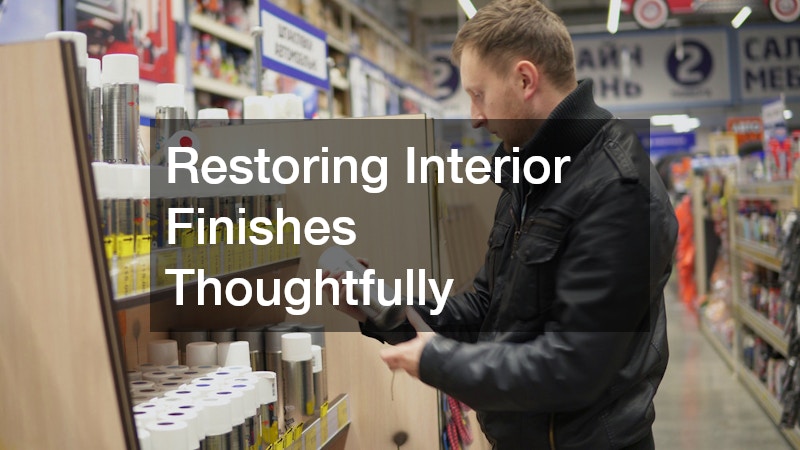
Once structural and moisture issues are resolved, homeowners can focus on restoring interior spaces. Walls, ceilings, and trim often require repair or replacement following water exposure. Selecting durable, high-quality materials supports long-lasting results and helps maintain the home’s appearance after restoration.
Working with Benjamin Moore paint dealers provides access to coatings designed for moisture resistance and durability. Proper surface preparation and product selection help prevent peeling, staining, and discoloration over time. Painting is often one of the final steps in restoration, making it a visual indicator of progress and renewal.
Thoughtful restoration of interior finishes also contributes to occupant comfort and emotional recovery after disruptive repairs. Clean, finished spaces signal a return to normalcy while protecting underlying materials. When approached strategically, interior restoration enhances both aesthetics and resilience.
Addressing Saturated Materials and Structural Drying
Water exposure often extends beyond visible surfaces, saturating insulation, subflooring, and framing materials. If not properly addressed, trapped moisture can lead to mold growth, odors, and long-term structural weakening. Comprehensive drying and material replacement are essential components of effective recovery.
Professional water damage restoration focuses on removing compromised materials, thoroughly drying affected areas, and preventing secondary damage. Advanced equipment allows technicians to reach hidden moisture pockets that homeowners cannot address independently. This process ensures that repairs are built on dry, stable substrates.
Proper restoration also supports indoor air quality and prevents future issues from developing behind walls or beneath floors. Addressing water damage comprehensively protects the investment made in subsequent repairs and reduces the likelihood of recurring problems tied to residual moisture.
Managing Debris and Project Flow Efficiently
Large-scale repairs generate significant debris, including damaged drywall, flooring, insulation, and framing materials. Efficient waste management keeps the worksite organized and allows repairs to proceed safely and on schedule. Poor debris control can slow progress and increase hazards for occupants and workers alike.
Utilizing dumpster rentals provides a centralized solution for managing construction waste throughout the repair process. Easy access to waste disposal reduces clutter, improves safety, and allows contractors to work more efficiently. Proper debris management also supports compliance with local regulations and environmental considerations.
Planning for waste removal early streamlines the overall project timeline. When materials are removed promptly, drying and reconstruction can proceed without unnecessary delays. Effective waste management contributes to a smoother repair experience and minimizes disruption during restoration.
Ensuring Healthy Indoor Conditions Long-Term
After moisture and structural issues are resolved, it is essential to address potential indoor air quality concerns. Mold growth can persist even after visible damage is repaired, posing health risks if not properly remediated. Ensuring a clean indoor environment is the final step in comprehensive recovery.
The best mold remediation process includes thorough inspection, containment, removal, and prevention strategies. Addressing mold at its source protects occupants and preserves the integrity of newly restored materials. Professional remediation ensures that hidden growth does not compromise air quality or trigger future damage.
Long-term prevention measures, such as improved ventilation and moisture control, support a healthier living environment. By prioritizing indoor air quality, homeowners complete the recovery process with confidence that their home is safe, stable, and comfortable.
Prioritizing major home repairs after discovering structural or moisture issues requires a clear understanding of how different systems interact and affect one another. Addressing active water intrusion and structural stability first prevents ongoing damage and creates a solid foundation for restoration. Mechanical systems, exterior barriers, and pest management all play critical roles in stopping deterioration and supporting long-term durability.
By approaching repairs in a logical sequence, homeowners reduce wasted effort and ensure that each phase builds upon the last. This strategy protects both financial investment and personal well-being during what can otherwise be a stressful process. Thoughtful planning transforms a reactive situation into a manageable project with clear milestones and outcomes.
Ultimately, prioritization is about protecting the home as a system rather than addressing isolated symptoms. When moisture and structural concerns are handled comprehensively, homeowners can restore their property with confidence and resilience. With the right approach, even significant challenges can lead to a safer, healthier, and more stable living environment.