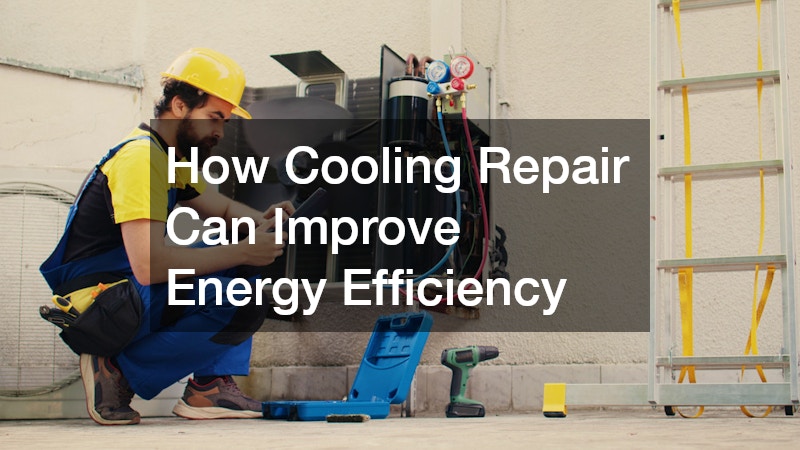
Energy efficiency has become a top priority for homeowners looking to reduce utility costs while maintaining a comfortable indoor environment. Cooling systems, especially during warmer months, account for a significant portion of household energy consumption. When these systems are not functioning at peak performance, they can waste energy and drive up monthly bills without delivering the desired level of comfort.
Many homeowners underestimate how much system wear and minor issues can impact efficiency. Over time, even small problems such as clogged filters, refrigerant imbalances, or worn components can force an air conditioning system to work harder than necessary.
This added strain not only increases energy usage but can also shorten the lifespan of the unit.
Understanding the connection between maintenance and efficiency is essential. Investing in timely cooling repair helps ensure that a system operates smoothly, reduces energy waste, and keeps the home consistently comfortable. By addressing issues early, homeowners can enjoy both immediate and long-term savings.
Improved Airflow and System Performance
Proper airflow is one of the most important factors in maintaining an efficient cooling system. When airflow is restricted due to dirty filters, blocked ducts, or malfunctioning fans, the system must work harder to circulate air throughout the home. This leads to increased energy consumption and uneven cooling.
Repairing airflow-related issues allows the system to distribute air more effectively. Clean filters and unobstructed ducts ensure that cool air reaches every room without unnecessary strain on the equipment. As a result, the system can achieve the desired temperature more quickly and maintain it with less effort.
Enhanced airflow also improves indoor air quality by reducing the buildup of dust and allergens. This creates a healthier living environment while simultaneously boosting overall efficiency.
Fixing Worn or Damaged Components
Cooling systems rely on a variety of mechanical and electrical components to function correctly. Over time, parts such as motors, belts, and capacitors can wear out or become damaged. When these components are not in good condition, the system’s efficiency decreases significantly.
Replacing or repairing worn parts restores the system’s ability to operate smoothly. This reduces the amount of energy required to achieve the desired cooling effect. In addition, well-functioning components minimize the risk of sudden breakdowns that could lead to costly emergency repairs.
Routine maintenance and prompt attention to unusual noises or performance issues can help identify component problems before they escalate.
Preventing Energy Loss Through Ductwork
Ductwork plays a vital role in delivering cooled air throughout the home. However, leaks, gaps, or poor insulation in the ducts can lead to significant energy loss. When cooled air escapes before reaching its intended destination, the system must work harder to compensate.
Sealing and insulating ducts helps retain cooled air and ensures it is distributed efficiently. This not only improves comfort but also reduces the overall workload on the system. As a result, less energy is required to maintain the desired indoor temperature.
Addressing ductwork issues is an often-overlooked aspect of cooling repair, yet it can have a substantial impact on energy efficiency.
Extending Equipment Lifespan
An efficient system is not only about immediate energy savings but also about long-term performance. When a cooling system operates efficiently, it experiences less wear and tear. This reduces the likelihood of major breakdowns and extends the overall lifespan of the equipment.
Investing in regular maintenance and timely repairs ensures that the system remains in good condition for years to come. This helps homeowners avoid the high costs associated with premature replacement.
Over time, the savings from improved efficiency and reduced repair needs can add up significantly, making maintenance a worthwhile investment.
Supporting Sustainable Energy Use
Improving energy efficiency is not only beneficial for homeowners but also for the environment. Cooling systems that consume less energy contribute to reduced greenhouse gas emissions and lower overall energy demand.
By addressing inefficiencies and maintaining proper system function, homeowners can play a role in promoting sustainability. Even small improvements in efficiency can make a meaningful difference when applied consistently over time.
Taking steps to optimize cooling performance aligns with broader efforts to conserve resources and reduce environmental impact.
Energy efficiency is a key factor in maintaining a comfortable and cost-effective home. Cooling systems that are properly maintained and promptly repaired operate more efficiently, consume less energy, and provide better overall performance. From improving airflow and refrigerant levels to addressing ductwork issues and worn components, each aspect of maintenance contributes to a more efficient system.
Ignoring minor issues can lead to higher energy bills, reduced comfort, and costly repairs down the line. On the other hand, proactive care ensures that the system continues to function at its best. Homeowners who prioritize regular inspections and timely cooling repair can enjoy consistent indoor comfort while keeping energy costs under control.
By understanding the importance of efficiency and taking action when needed, it becomes easier to maintain a reliable cooling system that supports both financial savings and long-term sustainability.